













Next-generation traction technologies are being rapidly adopted in the rail transit sector, offering significant advantages in energy efficiency and maintenance-free operation, while the localization rate of core components continues to rise.
Rail transit traction technology is undergoing a new round of upgrades. In April 2026, the world’s first “silicon carbide power conversion + permanent magnet direct drive” traction demonstration train to enter passenger service underwent its first overhaul, marking the transition of this technology from demonstration and validation to mature application. Actual test data shows that the all-silicon carbide permanent magnet direct-drive traction system achieves a comprehensive energy savings rate exceeding 25% compared to traditional asynchronous traction systems; at the same time, the elimination of gearboxes and couplings has significantly reduced the workload for routine maintenance.
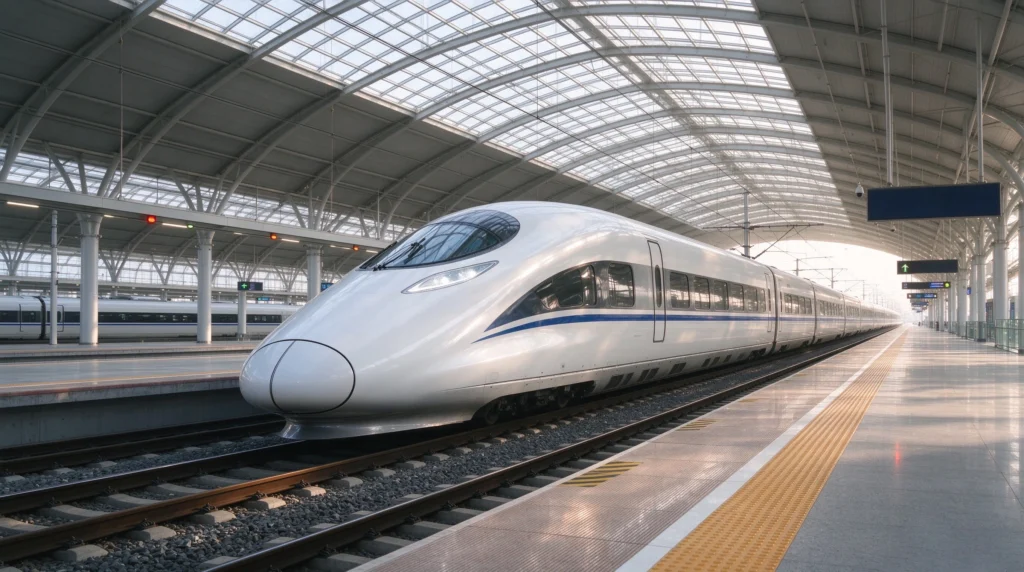
At the core component level, leading domestic power electronics companies have achieved full localization and mass production of next-generation silicon carbide traction converter modules, with key metrics such as operational efficiency, power density, and service life reaching internationally advanced levels. At InnoTrans 2026—the world’s largest rail transit trade show—CRRC showcased an eight-axle permanent magnet direct-drive electric locomotive. By overcoming key technical challenges such as high-power SiC power conversion and high-torque permanent magnet traction motors, the locomotive is capable of meeting heavy-haul transportation demands of 20,000 metric tons or more.
Industry data indicates that the localization rate of DC traction motors in China is projected to reach 82.5% by 2026, an increase of nearly 19 percentage points compared to 2020. As the electrification rate of urban rail transit vehicles continues to rise and the replacement cycle for traction systems on aging lines approaches, demand for highly reliable DC electrical equipment in the rail transit sector will further increase.
Conclusion: Shenyang 213’s products have long served the rail transit and other industries, and the company will continue to support the green and efficient development of rail transit equipment with reliable DC switches and protective devices.