













As the scale of renewable energy grid connection expands, countries are accelerating the update of grid-connection technical standards and imposing stricter requirements on high-voltage direct current (HVDC) equipment.
Globally, technical standards for grid-connected photovoltaic and energy storage systems are continuously being updated. In July 2026, India’s Central Electricity Authority (CEA) released a new draft of the “Grid Connection Technical Standards,” intended to replace the 2007 version of the regulations, which had been in use for nearly two decades. For the first time, the new draft incorporates emerging technologies such as energy storage systems (ESS), grid-forming inverters, high-voltage direct current (HVDC) systems, and flexible AC transmission systems (FACTS) into a unified framework.
The draft imposes stricter technical requirements on renewable energy and energy storage equipment: grid-forming resources must respond to reactive current within 30 milliseconds during grid disturbances and restore at least 90% of active power within 1 second after voltage recovery; standalone energy storage systems of 50 MW or more must have black-start capability; and HVDC systems must have power reversal capability and damping functions. In addition, the draft introduces requirements such as Low Voltage Ride-Through (LVRT), High Voltage Ride-Through (HVRT), and Multiple Fault Ride-Through (MFRT), and specifies that DC injection must not exceed 0.5% of rated output.
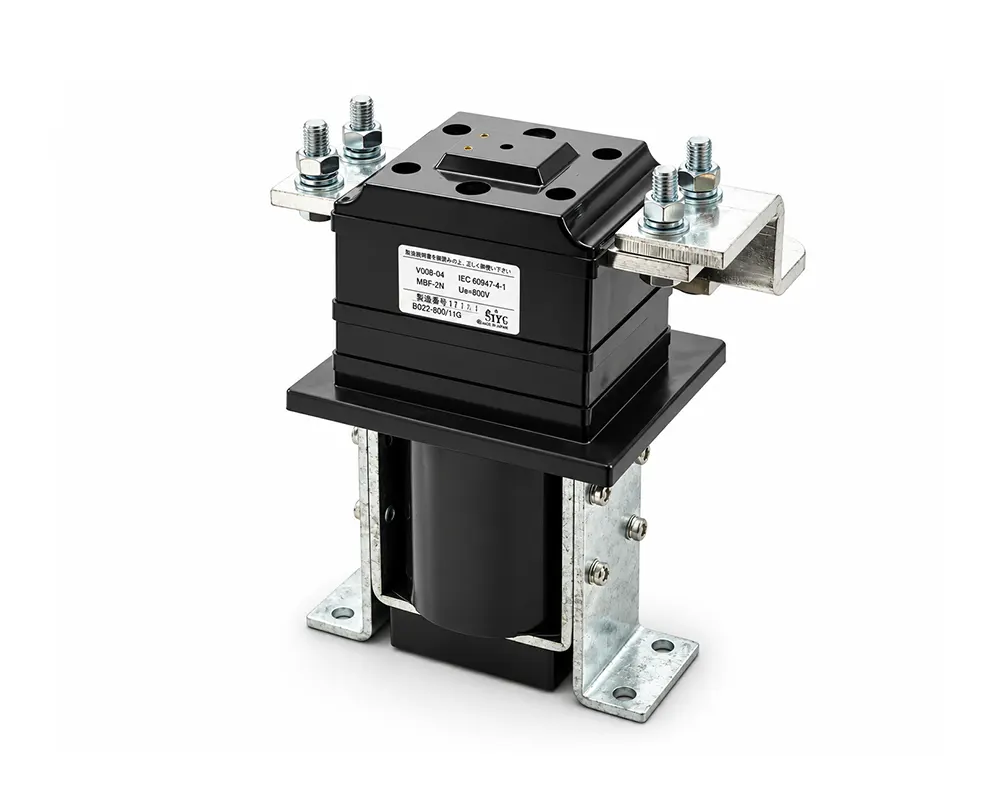
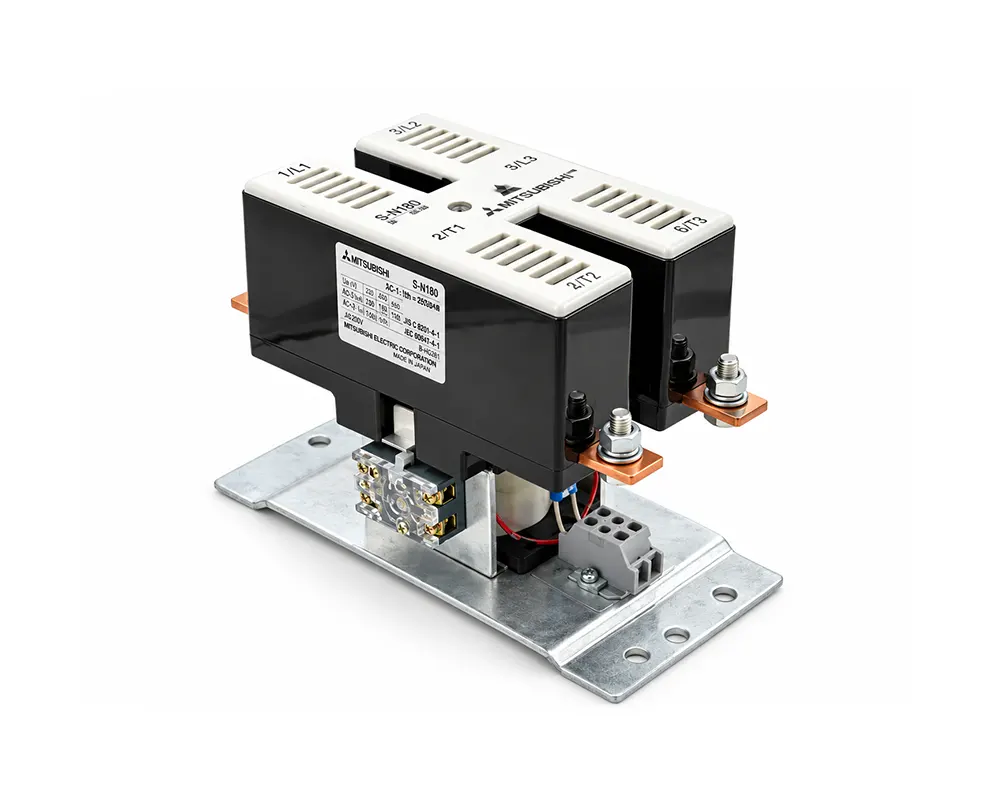
These changes reflect the accelerating global transition of power grids toward a high proportion of renewable energy and increased use of power electronics. Against this backdrop, renewable energy generation and energy storage systems are placing higher demands on the reliability, protection capabilities, and safety redundancy of high-voltage DC switching equipment, while also presenting new development opportunities for electrical equipment manufacturers with the relevant technical expertise.
Conclusion: In response to the trend of continuously upgrading renewable energy grid-connection standards, Shenyang 213 will continue to invest in the research and development of DC switching and protection technologies to provide safer and more reliable product support for applications such as photovoltaics and energy storage.