
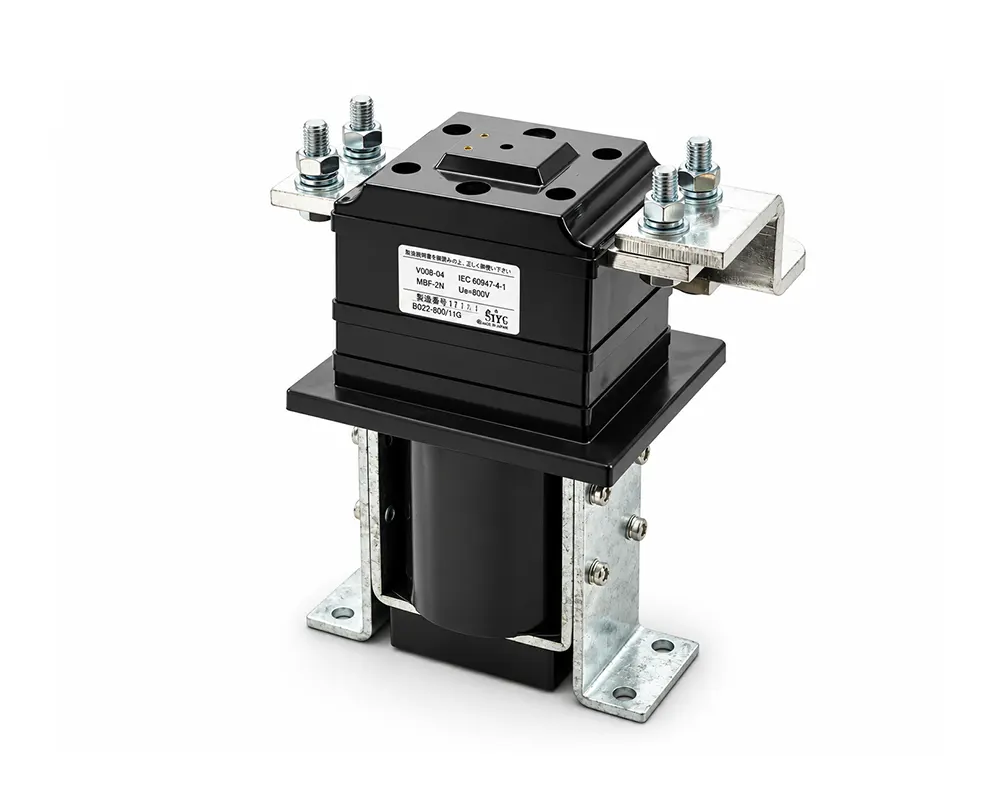
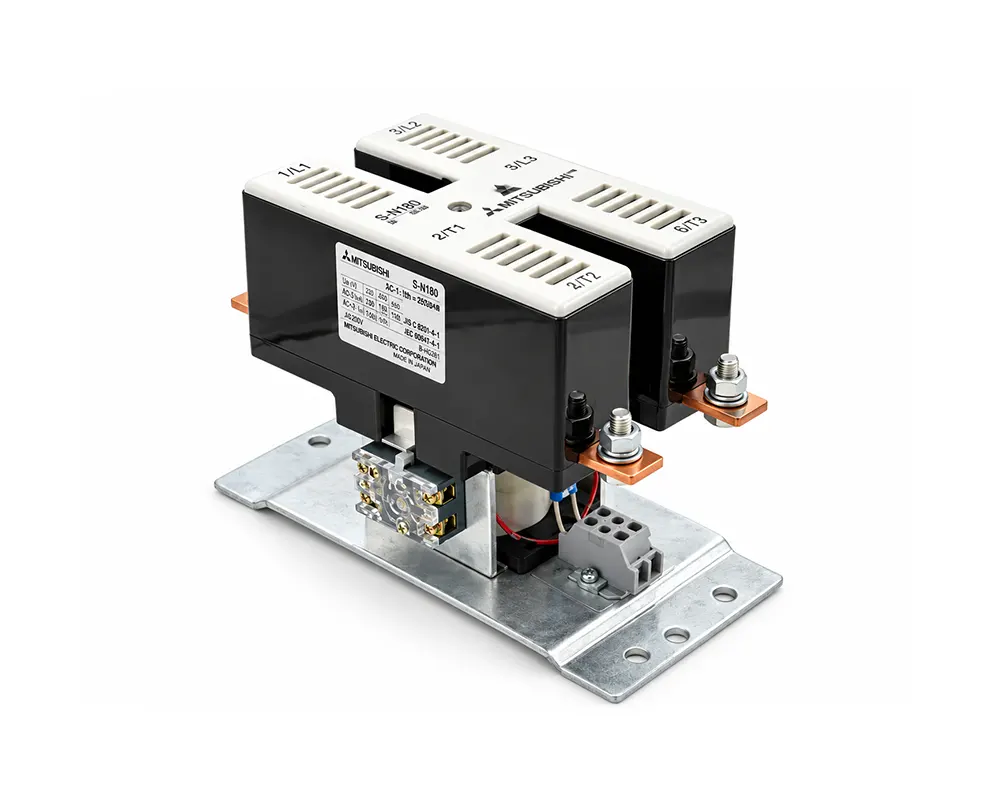













As new energy vehicles evolve toward 800V and higher voltage architectures, DC contactors are undergoing a comprehensive upgrade in performance and integration capabilities.
With the rapid development of the new energy vehicle industry, vehicle platform voltages are accelerating their evolution from 400V to 800V and higher architectures to accommodate faster charging speeds and higher system efficiency. This trend places higher demands on DC contactors—the core components of high-voltage power distribution systems.
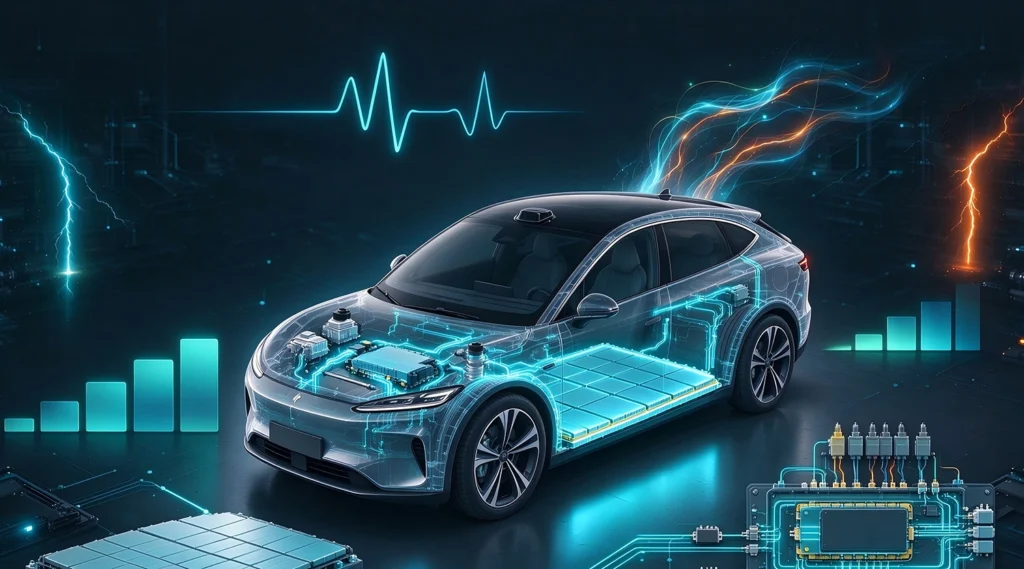
In the past, industry evaluations of DC contactors primarily focused on basic parameters such as rated voltage and rated current. Today, competitive metrics have significantly expanded to encompass comprehensive performance characteristics, including contact resistance, temperature rise, short-circuit withstand capability, coil holding power consumption, contact status monitoring, and package dimensions. It is widely recognized within the industry that the future value of DC contactors will be increasingly reflected in the safety and integration efficiency of vehicle high-voltage power distribution systems.
Product innovations also corroborate this trend. In early 2026, international manufacturers successively launched a new generation of contactors designed for high-voltage platforms, with a focus on reducing contact resistance, lowering temperature rise, and enhancing short-circuit protection capabilities, while also promoting the integrated design of contactors and fault protection functions. At the same time, designs that support both horizontal and vertical mounting configurations and adapt to compact in-vehicle layouts are emerging as a new industry trend.
According to forecasts by industry research institutions, the market size for electric vehicle DC contactors is expected to reach approximately 12.4 billion RMB by 2032. Driven by the combined factors of 800V high-voltage platforms, increased power battery capacity, and upgrades to the vehicle’s high-voltage power distribution architecture, suppliers with automotive-grade manufacturing systems and sustained R&D capabilities are expected to gain a more significant competitive edge.
Conclusion: As a company with deep expertise in the field of control electrical equipment, Shenyang 213 continues to monitor technological advancements in high-voltage power distribution for new energy vehicles and is committed to providing customers with more reliable DC switching solutions.